Roofing and Roof Repairs: Expert Guide
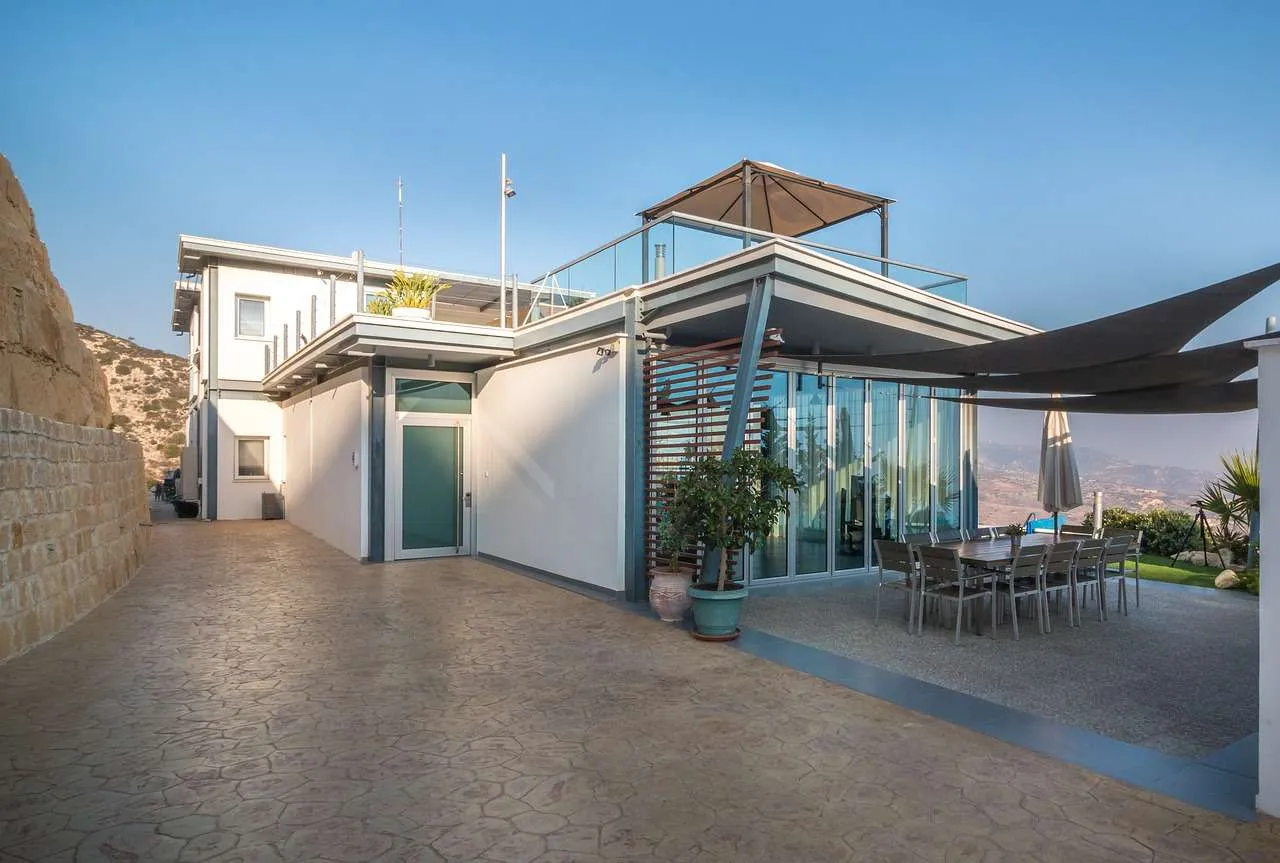
Roofing and roof repairs are foundational to protecting your home from the elements. This guide, written by a seasoned roofing professional with over a decade of field experience, unpackes how to spot problems early, choose the right contractor, and extend the life of your roof. The information aligns with EEAT principles by combining practical guidance, reliable processes, and trusted industry practices.
When to consider roof repairs
Not every roof issue requires a full replacement. Timely repairs can prevent further damage and save money in the long term. Look for these signs as a homeowner:
- Missing or curling shingles and visible granules in gutters
- Water stains on ceilings or in the attic after rain
- Damaged flashing around chimneys, vents, or skylights
- Weakened roof deck or soft spots when you walk on the surface
- Fluctuating interior temperatures indicating attic air leaks
- Storm or hail damage reported by your insurer
Common causes of roof damage
Understanding why roofs fail helps you plan for maintenance and determine the appropriate repair. Typical causes include aging materials, severe weather, poor installation, and ventilation issues in the attic. Over time UV exposure and temperature cycles can degrade shingles, while improper roof decking or inadequate attic ventilation can accelerate leaks and mold growth. A qualified contractor can assess the exact cause and tailor a repair plan that fits your roof type and climate.
DIY versus professional roof repairs
Few tasks should be attempted without professional help. Roof work involves fall hazards, complex flashing details, and the need for proper inspection to preserve warranties. While minor debris removal or gutter cleaning can be DIY entry points for some homeowners, any repair that involves sealing leaks, replacing shingles, or altering flashing should be performed by a licensed roofing contractor. Choosing a pro helps protect your warranty, ensures proper ventilation and drainage, and provides a clear, itemized estimate for transparency.
The repair process you should expect
A reputable contractor follows a consistent sequence that protects your home and yields durable results. Typical steps include:
- Initial inspection and damage assessment by a qualified roofer
- Detailed written estimate outlining material and labor costs
- Protection measures for your property and a plan for containment
- Repair work performed with matching materials and proper flashing
- Cleanup, waste disposal, and a post repair walkthrough
- Warranty documentation covering workmanship and materials
Cost factors for roof repairs
Costs vary based on the extent of damage, roof type, and accessibility. Factors that commonly influence price include the number of shingles to replace, the complexity of flashing, the roof pitch, and whether attic ventilation or decking replacement is necessary. Urban areas with higher labor rates will generally see higher prices, while remote locations may incur travel charges. A professional estimate should itemize materials, labor, permits if required, and any debris removal charges.
Typical repair cost ranges
| Minor leak patch | $150 to $600 |
| Shingle replacement (localized) | $300 to $1,000 |
| Flashing repair | $300 to $900 |
| Vent and chimney flashing replacement | $400 to $1,200 |
| Extensive deck repair or tarp and seal | $1,000 to $3,000 |
Repair versus replacement: a quick comparison
| Aspect | Roof Repair |
| Scope | Localized damage only |
| Cost upfront | Lower than replacement |
| Longevity | Temporary extension of life |
| Warranty | Typically shorter or limited |
| Best for | Minor leaks, damaged flashing, limited shingle loss |
Choosing and hiring a roofing contractor
To ensure a great outcome, verify credentials and experience. Look for a licensed and insured contractor with a solid local reputation and transparent communication. Ask for:
- Licensing and insurance certificates
- Written estimates and a clear scope of work
- Warranties on labor and materials
- References and recent project photos or case studies
- Certifications from manufacturers such as GAF or CertainTeed
Maintenance tips to extend roof life
Regular maintenance helps prevent costly repairs. Schedule seasonal inspections, keep gutters clean, trim overhanging branches, ensure attic ventilation is balanced, and address moss or algae promptly. A proactive maintenance plan reduces the likelihood of major leaks and protects your investment over time.
Summary
Conclusion, a well maintained roof with timely professional repairs protects your home and preserves value. Start with a professional assessment when you notice leaks, damage, or aging components. Compare quotes carefully, prioritize licensed and insured contractors, and choose repair versus replacement based on the extent of damage and long term goals. With a solid maintenance routine and trusted contractor, roofing and roof repairs deliver reliable performance for years to come.